How Greenwich Council rules affect floral tributes
Posted on 11/10/2026
If you are planning a farewell in Greenwich, the practical side can feel oddly stressful. Where can flowers go? How long can they stay? Can a wreath be placed at a cemetery, crematorium or memorial site without causing a problem? That is exactly where How Greenwich Council rules affect floral tributes matters. The rules shape what is acceptable, what is respectful, and what may be removed sooner than you expect. Truth be told, a tribute that looks perfect in the shop can still be the wrong choice once local site rules come into play.
This guide breaks the topic down in plain English. You will learn how local expectations usually work, why they matter, what to check before you order, and how to choose floral tributes that are both beautiful and suitable. If you are arranging flowers for a funeral, memorial, or place of remembrance in Greenwich, a little clarity goes a long way.
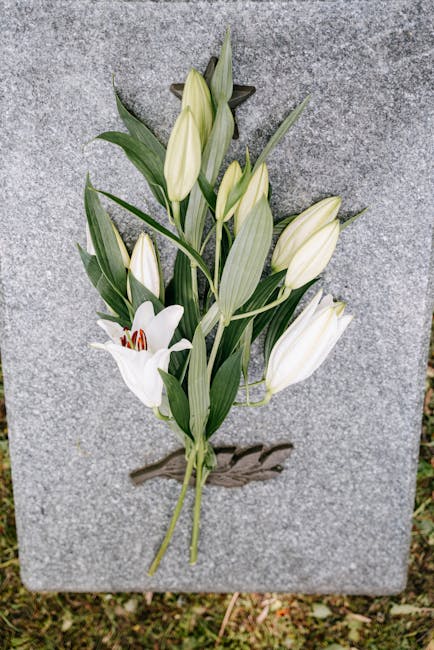
Table of Contents
- Why Greenwich Council rules affect floral tributes matter
- How Greenwich Council rules affect floral tributes work
- Key benefits and practical advantages
- Who this is for and when it makes sense
- Step-by-step guidance
- Expert tips for better results
- Common mistakes to avoid
- Tools, resources and recommendations
- Law, compliance, standards, or best practice
- Options, methods, or comparison table
- Case study or real-world example
- Practical checklist
- Conclusion
- Frequently Asked Questions
Why Greenwich Council rules affect floral tributes matter
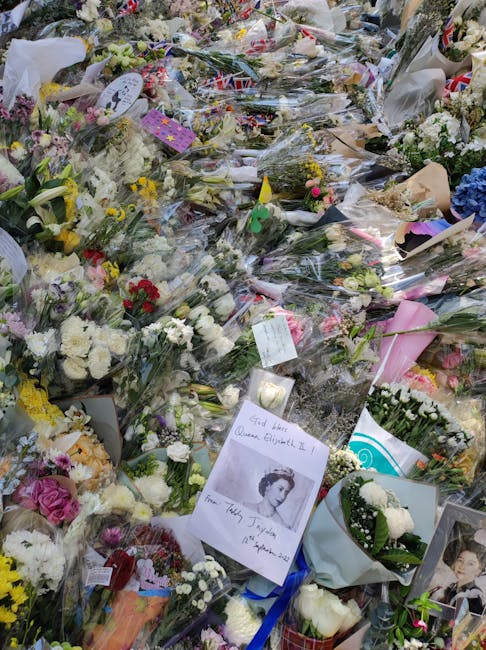
Floral tributes are emotional purchases. They are not just decoration; they are a way of saying goodbye, showing love, or marking a life properly. That emotional weight is exactly why local rules matter. Greenwich Council and the managers of local cemeteries, cremation spaces, and memorial areas usually have expectations about size, placement, materials, and how long tributes can remain in place.
Why does this matter so much? Because a tribute that is too large, placed in the wrong area, or left out beyond the permitted time can be moved, tidied away, or refused altogether. Nobody wants that. In a difficult week, the last thing a family needs is a misunderstanding over flowers.
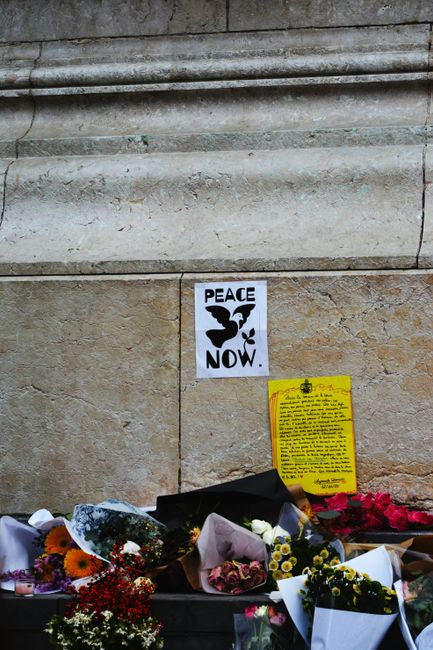
There is also the wider issue of shared space. Council-managed locations have to stay safe, accessible, and respectful for everyone. That means floral tributes often need to fit around maintenance schedules, public access, cemetery regulations, and memorial management practices. You may see this as a small detail, but it has a big effect on the day itself.
Key takeaway: local rules are not there to make things awkward. They exist so tributes can be managed properly, respectfully, and consistently for all families.
How Greenwich Council rules affect floral tributes work
In practice, the rules tend to affect three things: where the flowers can go, how they should be presented, and how long they can stay. The exact approach depends on the site. A cemetery, crematorium, war memorial, burial area, or memorial garden may each have different expectations. That is one of those things people only find out when they need it, which is usually inconvenient, to say the least.
1. Placement
Some locations allow tributes only in designated areas, such as a grave plot, a memorial section, or an approved flower space. Others may not allow flowers to be placed on pathways, gates, walls, or general landscaped areas. If a site is maintained by the council or under council guidance, a tribute often needs to stay within a specific boundary.
2. Tribute type
Not every floral design is treated the same. A small hand-tied bouquet may be fine in one setting, while a large double-ended spray, a wreath, or a letter tribute may be more suitable elsewhere. Tributes with wires, rigid frames, plastics, loose ribbon tails, balloons, or non-floral add-ons can sometimes fall foul of site rules, especially where safety or maintenance is a concern.
3. Duration
Many council-controlled spaces expect flowers to be removed after a period of time, particularly if they begin to fade or interfere with ground maintenance. Sometimes families assume flowers can stay for weeks, but the reality is often more managed. If a tribute is left in a busy public or maintained area, it may be removed when the site team needs to keep the space tidy.
4. Seasonal and operational limits
At certain times of year, ground conditions, weather, maintenance work, or higher visitor numbers can affect how floral tributes are handled. Rain, wind, and frost all change the way flowers hold up outdoors, especially in open memorial areas. A tribute that looks wonderful indoors can wilt quickly on a cold stone ledge in a January drizzle. London weather being London weather, that is hardly surprising.
5. Cultural and family preferences
Greenwich is a diverse part of London, and floral tributes may reflect different cultural, religious, or family traditions. Some families prefer white lilies and roses, others use specific colours, symbols, or tribute styles. Local rules do not override those traditions, but they can affect how the tribute is shaped and where it is displayed.
That is why good floristry for remembrance is not just about the flowers. It is about matching the tribute to the setting, the family's wishes, and the rules of the location. Small detail, big difference.
Key benefits and practical advantages
Working within Greenwich Council expectations has some very real upsides, even if it can feel restrictive at first.
- It reduces stress. Once you know the site's requirements, you can order with confidence instead of guessing.
- It avoids refusals or removals. A compliant tribute is less likely to be moved or rejected by site staff.
- It helps with timing. You can plan delivery and display around the funeral or memorial service without last-minute changes.
- It protects the tribute's appearance. The right size and flower choice usually lasts better in the conditions where it will be placed.
- It keeps the focus on the person being remembered. That is the real point, after all.
There is also a practical side for the florist. When the florist understands the local context, they can recommend a tribute that suits the venue. For example, a compact sympathy arrangement might work better for a service with limited display space, while a larger wreath or lettering tribute may be better for a dedicated memorial setting. Local knowledge saves awkward phone calls and, more importantly, saves you from having to redo everything the morning of the service.
Who this is for and when it makes sense
This guide is useful for anyone arranging flowers in Greenwich for a funeral, cremation, burial, memorial service, or graveside visit. It is also relevant if you are sending flowers on behalf of a wider family group, church community, work colleagues, or friends who want something tasteful and suitable.
You may need this information if:
- you are ordering funeral flowers for a cemetery or crematorium in Greenwich
- you want to place a tribute at a memorial garden or graveside
- you are choosing between a wreath, spray, cushion, posy, or lettering tribute
- you want flowers delivered close to a service time
- you are not sure what the council or site manager will allow
- you want the tribute to stay in place for as long as possible without issue
It also makes sense if you are organising something at short notice. In those situations, people often default to what they have seen before, which is understandable, but not always wise. A design that is suitable for a church service might not be right for an outdoor memorial area. Same flowers, different job.
If you are comparing tribute styles, it can help to browse dedicated remembrance ranges such as funeral flowers, wreaths, and flower tributes. Those pages can help you picture what suits the occasion before you make a decision.
Step-by-step guidance
Here is a practical way to approach floral tributes in Greenwich without getting lost in the details.
Step 1: Confirm the location
Start with the exact venue. Is it a cemetery, crematorium, churchyard, graveside, memorial garden, or private venue? The location matters because the rules may be different from one site to the next. Do not assume all Greenwich sites work the same way.
Step 2: Ask what is allowed
Check whether there are any limits on size, materials, positioning, or how long flowers may stay. If a family member has already spoken to the venue, ask for the details rather than relying on memory. Little bits of information get muddled quickly in stressful moments.
Step 3: Choose the right format
For a formal service, a wreath, spray, cushion, or cross may be more appropriate. For a more personal gesture, a posy or hand-tied design may be enough. If lettering or a name tribute is wanted, make sure the location can accept that style and that the space is suitable for it.
Step 4: Keep weather and timing in mind
Outdoor tributes should be chosen with the weather in mind. Delicate blooms may struggle in wind or cold. If the service is early morning and the placement is outdoors, choose flowers that travel well and can tolerate a few hours of exposure.
Step 5: Add the correct wording
Cards and ribbon wording should be checked carefully. Names, titles, and relationships matter deeply at funerals. A small spelling mistake on a tribute feels much bigger than on an ordinary bouquet. You notice it immediately, and so does everyone else.
Step 6: Plan delivery with care
Delivery timing can be crucial. Flowers that arrive too early may not last; flowers that arrive too late may miss the service. If the venue has set access times, the florist needs to work around those. In our experience, this is the detail that causes the most avoidable stress.
Step 7: Confirm aftercare
Ask what should happen after the service. Will the flowers remain in place? Should the family collect them? Does the location remove tributes after a period? Planning this properly avoids awkward surprises later.
Practical summary: the safest tribute is usually the one chosen for the exact site, exact timing, and exact purpose. That sounds simple, but it saves a lot of trouble.
Expert tips for better results
Once you understand the rules, you can make better choices that feel thoughtful rather than merely compliant.
- Choose hardy flowers for outdoor placement. Roses, chrysanthemums, carnations, and similar long-lasting blooms often perform better than fragile petals in open air.
- Keep the design stable. Secure foam-based or structured tributes are less likely to shift or fall apart.
- Match the tribute to the setting. A large, elaborate display may be beautiful, but if the location is cramped, it will not land well.
- Use colours with care. White often reads as calm and respectful, while mixed colours can feel warmer and more personal. There is no single rule, only context.
- Think about readability. If the tribute includes a name or message, make sure it is easy to see and not hidden by flowers or ribbon folds.
- Ask about maintenance access. Some sites need clear access for grounds teams. A tribute should not block paths, gates, or essential work areas.
If you want something tasteful and locally suitable, it can help to look at sympathy options such as sympathy flowers or more formal arrangements like sprays. For family remembrance, a personalised tribute can be more meaningful than a very large display that does not quite suit the setting.
A small thought from real experience: families often worry about "doing too much" or "not doing enough." In practice, the right tribute is the one that feels sincere, appropriate, and manageable. Fancy is not the goal. Respect is.
Common mistakes to avoid
Most problems with floral tributes in council-managed areas are not dramatic. They are small, preventable misunderstandings. The annoying kind, basically.
- Ordering without checking the venue rules. This is the biggest one. Even a beautiful tribute can be unsuitable for the space.
- Choosing the wrong size. Oversized tributes can look out of place or be difficult to position safely.
- Ignoring weather conditions. Outdoor arrangements need different flowers and mechanics from indoor displays.
- Leaving wording to the last minute. Ribbon messages should be checked before the tribute is made.
- Assuming flowers can remain indefinitely. Most maintained sites need tributes to be removed or refreshed at some stage.
- Mixing in unsuitable extras. Plastic ornaments, loose glitter, balloons, or items that interfere with maintenance can be rejected.
- Forgetting delivery access windows. If the site has restricted access, the tribute may not arrive in time.
One more subtle mistake: choosing a tribute just because it looked nice in a catalogue. Catalogues are helpful, but they do not know the exact site conditions in Greenwich. The location always wins. Every time.
Tools, resources and recommendations
You do not need specialist equipment to get this right, but a few practical tools make the process much easier.
- A written note of the venue details. Include the full site name, plot reference if relevant, service time, and any instructions.
- A photo or description of the placement area. Useful when the florist needs to judge scale and shape.
- A clear message card. Keep wording short, respectful, and checked by one other person if possible.
- A backup contact number. If something changes on the day, the florist or venue can reach the right person quickly.
- A list of preferences. Colours, flowers to include or avoid, and any religious or cultural considerations.
For product selection, it often helps to view a focused range rather than a huge general catalogue. Pages such as sympathy, remembrance, and letter tributes can be more useful than browsing everything at once. If you are looking for something especially understated, a simple wreath or posy is often the safest route.
And if you are arranging flowers for a family member who wants something highly personal, explore a tribute style that fits the name or message rather than forcing the idea into a standard shape. That one detail can make the whole arrangement feel properly thought through.
Law, compliance, standards, or best practice
This topic sits at the intersection of local site rules, respectful practice, and general public-space management. In simple terms, the rules are usually designed to support safety, dignity, and maintenance. While the exact requirements can vary by location, the best-practice principles are fairly consistent.
- Respect the site's instructions. If a cemetery or memorial space has limits, follow them.
- Use appropriate materials. Floristry mechanics should be secure and suitable for the environment.
- Avoid obstructing access. Paths, headstones, gates, and service areas need to remain clear.
- Be sensitive to shared remembrance spaces. Not every area can support highly personalised or oversized displays.
- Plan for removal or decay. Flowers are temporary by nature, and maintained spaces depend on that being understood.
There is also a practical distinction between a family's wishes and a site's duty to manage space. The family's wishes matter greatly, but they do not always overrule the conditions of a public or council-managed site. That can sound blunt, yet it is simply how shared spaces work. Better to know early than to be disappointed on the day.
If you are unsure, ask for guidance before placing the order. A reputable florist will usually treat that as normal, not fussy. In fact, they should welcome it. It means the tribute can be designed properly the first time.
Options, methods, or comparison table
Choosing the right type of floral tribute is often easier when you compare the practical differences side by side.
| Tribute type | Best for | Typical strengths | Things to watch |
|---|---|---|---|
| Wreath | Formal remembrance, graveside or service display | Recognisable, dignified, versatile | Can be bulky if the site space is limited |
| Spray | Coffin tribute or service display | Elegant, traditional, suitable for many funerals | May need secure placement and enough surface area |
| Posy | Smaller, more personal tribute | Compact, easy to handle, gentle appearance | Less visible in a large setting |
| Letter tribute | Name, relationship, or personalised message | Highly personal and memorable | Needs space and may need venue approval |
| Cushion or heart | Family-led remembrance or loving tribute | Warm, expressive, often easy to personalise | Can be less suitable for very formal settings |
| Sheaf or basket | Sympathy, memorial, or home delivery | Versatile, portable, often longer lasting | May not be right for every burial or graveside tradition |
The right choice depends on the place as much as the message. For instance, a letter tribute can be deeply meaningful, but if the memorial area is narrow, a simpler wreath may be far more practical. Small space, big emotion - that is the reality in some Greenwich locations.
Case study or real-world example
Imagine a family arranging flowers for a service in Greenwich on a damp Friday morning. They want something meaningful, but the venue has limited placement space and asks for tributes to remain within a designated memorial area. The family originally likes the idea of a large display with extra ribbon detail, but after checking the site guidance, they realise it may be too broad for the available space.
So they adjust. They choose a smaller, structured tribute with white and soft green flowers, a simple ribbon message, and a sturdy base that will cope with the weather. The florist schedules delivery for the correct window, and the tribute is placed neatly where it should be. No drama, no last-minute panic, no awkward resizing on the pavement. Just a calm, respectful result.
That is the benefit of understanding the rules. The tribute still feels personal, but it also fits the site. It works with the place, not against it.
In our experience, families usually feel relieved once this is settled. The emotional weight of the day is still there, of course, but the flowers are one thing they do not have to worry about anymore. And that matters.
Practical checklist
Use this checklist before you place a floral tribute in Greenwich:
- Confirm the exact venue and location
- Check whether the site has tribute placement rules
- Ask about size, shape, and material restrictions
- Choose a tribute style suited to the setting
- Decide how long the flowers are expected to remain
- Check weather exposure if the tribute is outdoors
- Confirm the service time and delivery window
- Review ribbon or card wording carefully
- Make sure names are spelled correctly
- Consider whether the tribute needs to be collected later
- Choose flowers that travel well and last in the conditions
- Keep a contact number handy in case anything changes
If you can tick those off, you are already ahead of most last-minute arrangements. Not glamorous, perhaps. Very useful though.
Get a free quote today and see how much you can save.
Conclusion
Greenwich Council rules, and the practical rules of council-managed memorial spaces more broadly, have a real effect on floral tributes. They influence what you can place, where it can sit, how long it can remain, and what type of design makes sense. Once you understand that, the process becomes much less stressful.
The best approach is simple: check the location, choose the right tribute style, keep the message clear, and plan delivery properly. That may sound a bit methodical, but it is exactly what helps a tribute feel calm, respectful, and fitting on the day. And in moments like these, calm is a gift.
If you are taking the time to get it right, you are already honouring the person well. The flowers will do their part. So will you.
Frequently Asked Questions
Can I place any type of floral tribute in Greenwich?
Not always. The type of tribute that is suitable depends on the location. Cemeteries, crematoriums, memorial gardens, and other council-managed spaces may each have different expectations about size, placement, and materials.
How long do floral tributes usually stay in place?
That depends on the site. Some locations allow tributes to remain for a short period only, while others may permit them for longer if they do not interfere with maintenance or public access.
Are wreaths better than sprays for council-managed memorial spaces?
Neither is automatically better. A wreath can be ideal for a neat, traditional tribute, while a spray may suit a service or coffin display. The right choice depends on the setting and the family's wishes.
Can I send flowers directly to a funeral venue in Greenwich?
Yes, often you can, but the venue's access times and instructions matter. Delivery should be arranged carefully so the tribute arrives within the correct window and can be placed properly.
What flowers work best outdoors in windy or cold weather?
Hardier flowers usually perform better outdoors. Roses, carnations, chrysanthemums, and some mixed arrangements tend to hold up better than very delicate blooms, especially in poor weather.
Do I need special permission for letter tributes?
Some sites may allow them, while others may limit their size or placement. It is best to check first, especially if the tribute will be displayed in a shared memorial area.
What should I write on the ribbon or card?
Keep it short, respectful, and accurate. Names and relationships should be checked carefully. A simple message is often the most effective, especially for a formal tribute.
Can the council remove floral tributes?
In managed spaces, yes, tributes may be removed if they become untidy, interfere with maintenance, or remain longer than the site allows. That is why it helps to understand the rules in advance.
What if I am not sure which tribute style to choose?
A florist familiar with funerals and memorial tributes can usually help you narrow it down. A wreath, posy, spray, cushion, or personalised tribute may all be suitable depending on the site and the occasion.
Are sympathy flowers different from funeral flowers?
Yes, a little. Sympathy flowers are often sent to the home or to express condolences in a gentler, less formal way. Funeral flowers are usually designed specifically for the service or burial setting.
How can I make sure my tribute is respectful and suitable?
Focus on the venue rules, the scale of the display, and the preferences of the family. If in doubt, choose a simpler design that fits the space comfortably. Respect usually shows best in the details.
Is it better to choose local delivery for floral tributes in Greenwich?
Usually, yes. Local delivery is often easier to coordinate with the venue timing and any site-specific instructions. It can also help with last-minute changes, which, let's be honest, happen more often than anyone would like.