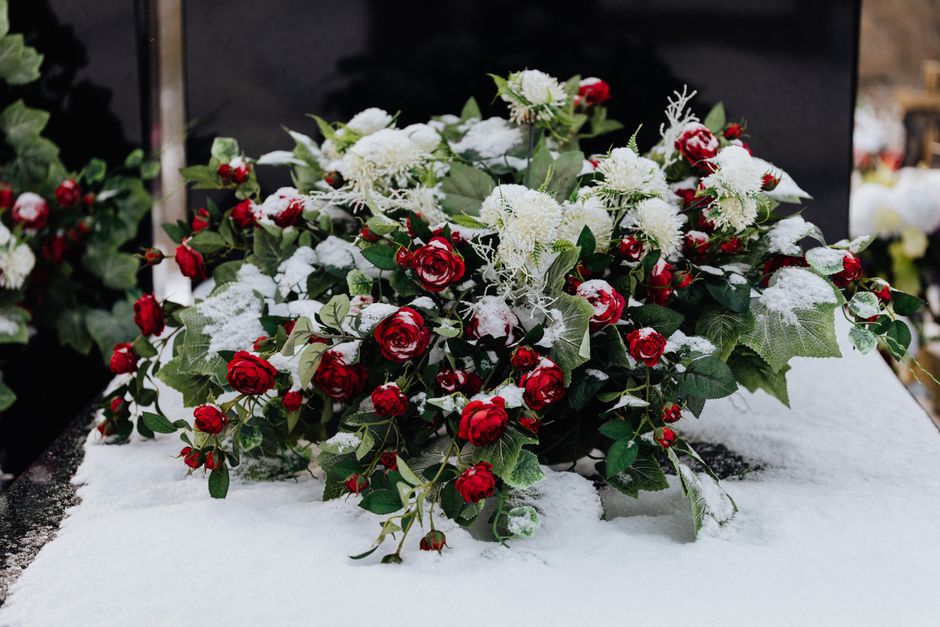
What to know about disposing floral tributes in Greenwich
Posted on 28/10/2026
When the flowers have done their quiet work, there is still one last question many people face: what happens next? Knowing what to know about disposing floral tributes in Greenwich matters more than it might first seem. These arrangements are often part of a farewell, a memorial, or a deeply personal family moment, and how you handle them should feel respectful, practical, and calm.
In Greenwich, as in much of London, floral tributes may be collected from homes, chapels, cemeteries, funeral venues, or private events. Some can be composted, some recycled, and some need to be separated because of wires, plastic frames, ribbon, or foam. The details can feel awkward at an emotional time. To be fair, nobody really wants to think about bin bags and floral foam when they are still processing a goodbye.
This guide walks you through the respectful, sensible way to manage tribute disposal, what options are commonly available, and where families, venues, and organisers often get caught out. If you are also arranging flowers for a service or memorial, it can help to understand the style and scale of arrangements in advance by looking at funeral flowers in Greenwich and the wider range of tributes available for remembrance occasions.
In the sections below, you will find a practical step-by-step approach, a comparison of disposal methods, a checklist, and answers to common questions people ask after a funeral or memorial gathering. Nothing fancy. Just clear, grounded advice that helps you do the right thing without overcomplicating it.
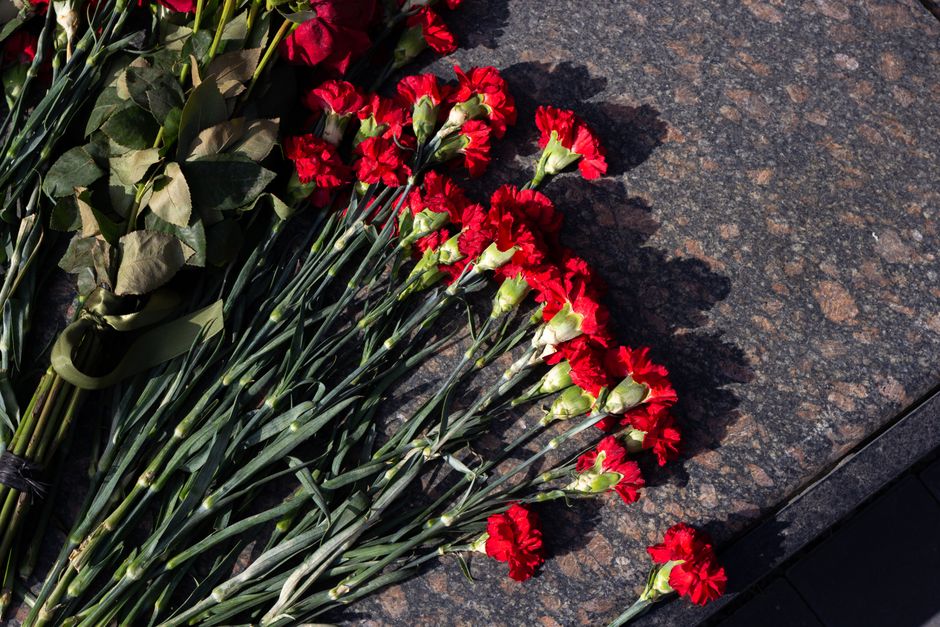
Table of Contents
- Why disposing floral tributes in Greenwich matters
- How the process works
- Key benefits and practical advantages
- Who this is for and when it makes sense
- Step-by-step guidance
- Expert tips for better results
- Common mistakes to avoid
- Tools, resources and recommendations
- Law, compliance, standards, or best practice
- Options, methods, or comparison table
- Case study or real-world example
- Practical checklist
- Conclusion
- Frequently asked questions
Why disposing floral tributes in Greenwich matters
Floral tributes are not ordinary waste. They are usually created to express love, sympathy, gratitude, remembrance, or support, and that emotional value changes the way they should be handled. A wreath left leaning against a memorial rail, a posy on a church step, or a casket spray at the end of a service all carry meaning. Even after the service ends, that meaning does not disappear just because the petals have started to curl.
Good disposal matters for three reasons. First, it helps preserve dignity. Families and venues often want to avoid anything that feels careless or abrupt. Second, it helps with cleanliness and safety. Large tribute pieces can contain pins, hidden wire, tape, thorny stems, and water-soaked packaging that can become messy very quickly. Third, it matters environmentally. A surprising amount of flower waste is recyclable or compostable if it is separated properly, but once mixed with plastic, foam, or cellophane, it becomes much harder to process.
There is also a local aspect. Greenwich is a busy part of southeast London, with a mix of homes, ceremony spaces, parks, cemeteries, and event venues. That means disposal may need to happen quickly and in a way that suits shared spaces. One venue may have floral collection arrangements already in place, while another may ask families to take tributes away themselves. Best to check, because assuming one place works like another can lead to a small but annoying headache.
Put simply, respectful tribute disposal is part of the wider care shown around a memorial or funeral. It is not an afterthought, exactly. It is the finishing touch that keeps the whole occasion thoughtful.
How disposing floral tributes in Greenwich works
The process is usually simpler than people expect, though it varies by venue and by the kind of tributes involved. In many cases, the first step is deciding whether the flowers should be kept, redistributed, composted, recycled, or discarded. That decision may be emotional rather than practical. Often, it is a bit of both.
Here is the basic flow you will notice in real life:
- Check the venue or family preference. Some families want selected flowers taken home. Others prefer everything to be cleared after the service.
- Separate the tributes by material. Flowers, foliage, cards, ribbons, foam, cellophane, wire supports, and plastic trays may all need different handling.
- Remove non-organic parts first. This makes any recycling or composting far easier.
- Decide on reuse, composting, or disposal. Some fresh flowers can go into green waste, while harder structural elements may need general waste disposal.
- Arrange collection or drop-off. If you are using a funeral director, florist, or venue staff, ask what they can take care of and what needs doing separately.
In practical terms, a tribute with simple stems and natural binders is easier to process than a big arrangement built with foam, decorative picks, and plastic sleeves. It is the bits you do not see at first glance that matter. The florist wire hiding under the greenery, for example, or the floral foam tucked into the base. Those are the details that determine whether the arrangement can be composted, broken down, or simply placed in waste.
If the flowers were delivered for the memorial in the first place, you may also find it useful to understand the broader delivery and service options through flower delivery Greenwich SE10 and delivery information, since the same logistical thinking often applies when it comes to collection and removal.
Key benefits and practical advantages
Handling floral tribute disposal properly brings a few benefits that are easy to overlook in the moment. They matter, though.
- It reduces stress for the family. When there is a clear plan, nobody has to awkwardly ask who is taking the flowers home or what happens to the wreaths.
- It keeps the venue tidy. Funeral spaces, chapels, and memorial areas need to be respectful and uncluttered, especially if there are multiple services in a day.
- It supports more sustainable choices. Separating natural materials from plastic and foam means more of the tribute can be reused or composted.
- It avoids accidental damage. Handling large arrangements carefully prevents crushed petals, torn cards, and broken frames.
- It helps preserve keepsakes. If you want to keep ribbon, a card, or a single stem, a clear sorting process makes that much easier.
There is also a quieter benefit: it helps close the loop. A farewell often feels unfinished until the practical details are taken care of. You might not notice it immediately, but once the tributes have been dealt with respectfully, the whole process can feel a little more settled. Not healed, exactly. Just settled.
Expert summary: The best approach is usually the simplest one that respects the flowers, reduces waste, and matches the family's wishes. Separate natural materials from packaging early, keep anything meaningful aside, and ask the venue what it can handle before the day arrives.
Who this is for and when it makes sense
This guide is useful for more people than you might first think. It is not only for funeral directors or florists. In Greenwich, disposal decisions often fall to families, close friends, venue coordinators, church or crematorium staff, event organisers, and sometimes community groups helping with a memorial service.
You may need this advice if you are:
- arranging a funeral or memorial and want a respectful plan for the flowers after the service
- supporting a relative who is overwhelmed and does not want to deal with practical details alone
- working at a venue and need a clear, sensible process for clearing tributes safely
- a florist preparing arrangements that will later need collecting, recycling, or repurposing
- handling sympathy flowers after a home service, wake, or graveside gathering
It also makes sense when the tributes are unusually large or numerous. A single bouquet is easy enough. A room full of wreaths, sprays, and letter tributes is a different matter. Anyone who has stood in a chapel after a busy service will know that quiet little flurry of movement as cards are gathered, water cups are checked, and people ask, almost in a whisper, "Do you want this one?"
If you are planning floral tributes in advance, you might also consider the style and format. For example, wreaths, sprays, posies, and letter tributes all create different disposal needs. Browsing options such as wreaths, sprays, and letter tributes can help you choose arrangements that suit both the occasion and the likely aftercare.
Step-by-step guidance
If you want a straightforward process, start here. The aim is not perfection. It is simply to make sure the tribute is handled respectfully and sensibly, without waste or confusion.
- Confirm what the family wants. Before anything is moved, ask whether any flowers, cards, ribbons, or keepsakes should be retained. Sometimes a single arrangement has huge sentimental value.
- Identify the materials. Fresh flowers and foliage are different from ribbon, foam, plastic wrap, card inserts, clips, pins, and wire. This matters more than most people realise.
- Remove keepsakes first. Put aside condolence cards, printed messages, photos, and any ribbon or charm the family wants to keep.
- Sort natural from non-natural materials. Separate the flowers and stems from packaging and structural elements. If a tribute is bound in a frame or foam base, dismantle it gently.
- Check local disposal options. Composting or green waste is usually appropriate for untreated flowers and foliage, but not for plastic-wrapped or foam-heavy arrangements.
- Reuse where appropriate. Some blooms can be divided into smaller posies for family members, home displays, or grave-site arrangements.
- Dispose of the remainder carefully. If the tribute cannot be reused, place it in the right waste stream or arrange a collection service if one is available.
- Clean the area. Loose stems, water, petals, soil, and card scraps should be cleared so the space feels respectful and ready for others.
One small but useful habit: keep a separate bag or box for keepsakes before you start. It sounds obvious, but in the middle of a busy day, things get mixed up easily. A card can end up in the wrong pile. A ribbon gets snagged on someone's coat. It happens.
If a floral tribute is intended for a memorial service rather than a funeral, the same basic steps still apply. The only difference is often timing. Memorial tributes may stay in place longer, then be cleared more gradually once the family has had time to gather what they want.
Expert tips for better results
A few practical tips can make the whole process smoother, especially when time is short and emotions are high.
- Ask about the base before choosing the tribute. If sustainability matters to you, avoid arrangements with excessive foam or plastic packaging where possible.
- Keep one person responsible. Too many helpers can make decisions messy. One calm organiser is usually enough.
- Plan for wet weather. In Greenwich, a damp morning can make cardboard soft, ribbon slippery, and cardboard message cards a bit fragile. A small thing, but it matters.
- Move slowly with larger wreaths and sprays. These can be heavier than they look, especially once saturated with water.
- Use separate piles for reuse and disposal. The old "sort it later" approach rarely works well. Truth be told, it often means extra work.
- Think ahead about transport. If family members are taking flowers home, make sure they have boxes, paper, or bags that will protect the arrangements.
Another good practice is to speak with the florist beforehand if you know the tribute will later need dismantling. Florists are often very good at advising on structure, lifespan, and the materials used in the arrangement. If you are looking for arrangements that are more manageable from the start, smaller sympathy pieces or mixed arrangements can sometimes be easier to divide afterwards than large fixed tributes.
You may also find that choosing a dependable local florist helps simply because they understand the area and the pace of local deliveries. If you are arranging flowers in Greenwich, a local service such as florist Greenwich SE10 or a nearby flower shop in Greenwich can often offer more practical guidance than a generic one-size-fits-all approach.
Common mistakes to avoid
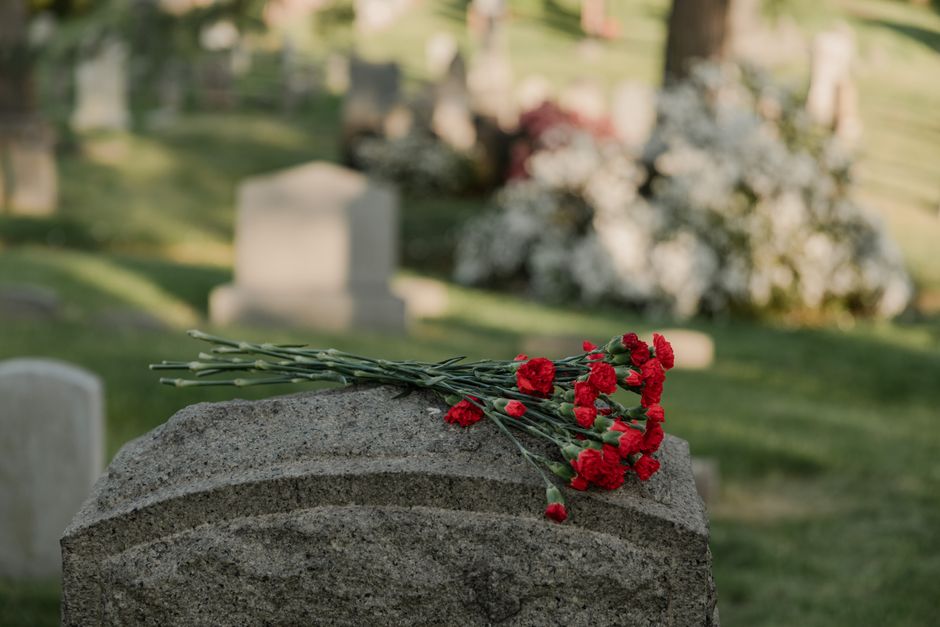
Most problems with tribute disposal are not dramatic. They are small, avoidable, and usually caused by rushing. A few common ones come up again and again.
- Throwing everything into one bin. This mixes recyclable, compostable, and general waste materials together and makes proper disposal harder.
- Forgetting about hidden wiring and foam. These are easy to miss in dense arrangements.
- Assuming the venue will handle everything. Some places do; some do not. Always ask.
- Letting cards and keepsakes get damp or lost. Set them aside immediately.
- Waiting too long to sort the flowers. Once blooms begin to fade, petals shed, water goes stale, and cleanup gets less pleasant.
- Overhandling delicate tributes. A gentle touch is enough. No need to tug everything apart in one go.
There is also the sentimental mistake of trying to "save everything." Understandable, absolutely. But not always realistic. Sometimes a single stem, a card, or a small section of ribbon is enough to preserve the feeling of the day. You do not need to keep every leaf to keep the memory.
Another easy trap is overlooking the emotional side of practical sorting. Some people are fine with the process. Others find it unexpectedly hard to dismantle a wreath that stood beside a coffin an hour earlier. If that is you, there is no need to rush. Pause. Have a cup of tea. Then continue. It really is okay.
Tools, resources and recommendations
You do not need specialist equipment, but a few simple things make the job easier and more respectful.
- Scissors or small secateurs for cutting ties, ribbon, or stems cleanly
- Disposable gloves if the tribute is damp or has thorny stems
- Reusable boxes or paper wrap for flowers being taken home
- Sorting bags or containers for separating organic material from packaging
- Labels or sticky notes for keeping tribute cards and keepsakes organised
- Clean cloths or paper towels for wiping down surfaces afterwards
For arrangements intended to be especially simple to handle, some people prefer mixed bouquets or sympathy flowers that are easier to divide into smaller pieces. Others prefer sturdy tribute styles that hold their shape well during transport and display. The right choice depends on the setting, the season, and the wishes of the family.
Related pages that can help if you are planning the flowers themselves include sympathy flowers, funeral flowers, and options such as remembrance flowers. If you are trying to stay within budget, you can also consider budget-friendly flowers without losing the dignity of the tribute.
Law, compliance, standards, or best practice
For most readers, this is less about a strict legal rule and more about sensible best practice. That said, venues, councils, crematoria, cemeteries, and private properties may all have their own expectations about waste handling, public spaces, and what can be left in place after a service.
As a general principle, anything placed in a public or shared space should be removed in a way that does not create litter, block access, or leave hazards behind. That includes pins, wire, glass vases, broken stems, and damp packaging. If an arrangement includes floral foam or other non-biodegradable components, it should not be treated as if it were all green waste. That part is easy to overlook.
Best practice usually means:
- respecting the venue's instructions
- separating natural and non-natural materials
- not leaving waste behind in communal or memorial areas
- checking whether a site expects tributes to be collected at a specific time
- handling cards and personal messages with care and confidentiality
If you are unsure, ask the venue or the funeral organiser before the day. That question saves time later. It also prevents the slightly awkward moment when someone says, "Oh, I thought someone else was taking those."
For families, the key point is simple: you are not expected to know every procedural detail. You only need to make a respectful plan and follow the guidance offered by the place hosting the service.
Options, methods, or comparison table
There is no single correct way to dispose of floral tributes. The right method depends on the materials, the family's wishes, and the venue. Here is a simple comparison to help you decide.
| Method | Best for | Pros | Watch out for |
|---|---|---|---|
| Take flowers home | Families who want keepsakes | Meaningful, personal, and easy for smaller arrangements | Needs transport, water protection, and space at home |
| Reuse in smaller displays | Large tributes or multiple family members | Reduces waste and extends the life of the flowers | Some blooms may be too delicate or wilted to divide neatly |
| Compost or green waste | Fresh flowers and foliage with little packaging | Environmentally sensible and practical | Must remove foam, wire, and plastic first |
| General waste | Mixed-material tributes that cannot be separated cleanly | Simple when no better option is available | Less sustainable; should be the last resort where possible |
| Venue collection | Funeral venues, chapels, and memorial spaces | Convenient and tidy | Only works if the venue offers it and knows what to expect |
In practice, many families use a combination of methods. A few stems are taken home, the cards are kept, and the remaining flowers are composted or collected later. That often feels like the right balance. Practical, respectful, and not too fussy.
Case study or real-world example
A family in Greenwich arranged a small memorial service for a loved one on a Friday afternoon. They had several tributes: a wreath from close relatives, a few sympathy bouquets from neighbours, and a letter tribute from grandchildren. After the service, they were tired, emotional, and not especially interested in thinking about waste sorting. Very understandable.
Before the day, they had already agreed on a simple plan. The grandchildren would keep the card messages and one small bouquet. The wreath would stay until the following morning so the immediate family could visit quietly again. After that, the florist helped dismantle the arrangement, separating the flowers from the frame and packaging. The fresh blooms were divided into smaller posies, which were taken to family members' homes. The leftover stems and foliage were placed into green waste, while the non-organic support materials were dealt with separately.
The outcome was neat, but more importantly, it felt considerate. No one had to rush at the end of the service. No one had to carry an awkward armful of flowers on the train in a panic. And the family felt they had honoured the tribute rather than just clearing it away.
That is usually the goal, really. Not perfection. Just care.
Practical checklist
Use this checklist if you want a simple way to manage floral tribute disposal without missing anything important.
- Confirm the family's wishes before moving anything
- Set aside cards, notes, and personal keepsakes first
- Identify flowers, foliage, and non-organic materials separately
- Check whether the venue has a collection or disposal policy
- Remove foam, wire, plastic wrap, and other packaging where possible
- Decide which flowers will be kept, shared, composted, or discarded
- Prepare bags, boxes, or paper for transport
- Clean the area once the tribute has been processed
- Dispose of remaining waste responsibly
- Take a moment to check that nothing meaningful has been left behind
If you are working through several tributes at once, make one pile for keepsakes, one for reuse, and one for disposal. It sounds basic, but it saves a lot of confusion later. A simple system beats a clever one most days.
Conclusion
Knowing what to do with floral tributes after a service brings a bit of calm to an otherwise emotional task. In Greenwich, the best approach is usually a respectful one: check the family's wishes, separate natural flowers from packaging, reuse what can be saved, and dispose of the rest carefully. The details matter because the tribute itself mattered.
Whether you are planning ahead or managing flowers after the event, a clear process helps protect the dignity of the occasion and makes the practical side much easier. And if you are choosing tributes in the first place, picking a style that suits both the ceremony and the aftercare can save stress later on. Small decision, big difference.
Get a free quote today and see how much you can save.
Frequently Asked Questions
What is the best way to dispose of floral tributes after a funeral?
The best approach is to separate the flowers and foliage from any plastic, wire, foam, or ribbon, then decide whether the natural material can be reused, composted, or placed in the correct waste stream. If the family wants to keep some of the flowers, do that first.
Can floral tributes be recycled in Greenwich?
Parts of a tribute can often be recycled or composted, but not usually all together. Fresh flowers and foliage may be suitable for green waste, while packaging, foam, and wiring normally need separate handling. It depends on the materials used.
Should I keep condolence cards from floral tributes?
Yes, if they matter to the family. Cards often become treasured keepsakes. Put them aside immediately so they do not get damp, lost, or mixed in with waste. That tiny bit of organisation saves regret later.
What should I do with wreaths after the service?
Wreaths can often be dismantled carefully so the flowers are reused or composted, while the frame and support materials are separated. If the wreath has sentimental value, keep it in place until the family is ready to deal with it.
How long should floral tributes stay at a memorial site?
That depends on the venue, the family's wishes, and the condition of the flowers. Some tributes are removed the same day; others remain for a short while. If you are unsure, ask the venue or organiser before making assumptions.
Are floral tributes considered waste?
Eventually, yes, but they are not ordinary waste in the way household rubbish is. They are personal and symbolic items first. That is why they should be handled thoughtfully, with care given to keepsakes and to proper separation of materials.
Can I take funeral flowers home?
Absolutely. Many families do this, especially with smaller bouquets or individual stems. It is a lovely way to keep something from the day. Just make sure the flowers are wrapped or boxed properly for transport.
What happens to flowers with floral foam in them?
Foam makes disposal trickier because it is not biodegradable in the same way fresh flowers are. The flowers may still be reused or composted once separated, but the foam itself usually needs a different disposal route.
Do venues in Greenwich usually handle tribute removal?
Some do, some do not. Policies vary quite a bit. It is always better to ask in advance. A quick conversation can prevent confusion and makes the whole process feel much calmer on the day.
What if I need a same-day arrangement for a service?
Same-day options can be helpful when plans change quickly or you need flowers at short notice. Just remember that the tribute's aftercare still matters, so ask about materials and disposal-friendly design as well as delivery timing.
Is it better to choose simpler tributes if disposal is a concern?
Often, yes. Simpler arrangements with fewer mixed materials are usually easier to separate and dispose of respectfully. A natural-looking bouquet or sympathy arrangement can be both beautiful and practical. No need to overcomplicate it.
What is the most respectful thing to do with unwanted floral tributes?
The most respectful option is to make sure nothing meaningful is thrown away carelessly. Save cards and keepsakes, offer flowers to family members if appropriate, and then process the remaining flowers in a tidy, considerate way. That is usually enough.